
Agentic AI
Vibe Coding: What Development Teams Need to Know
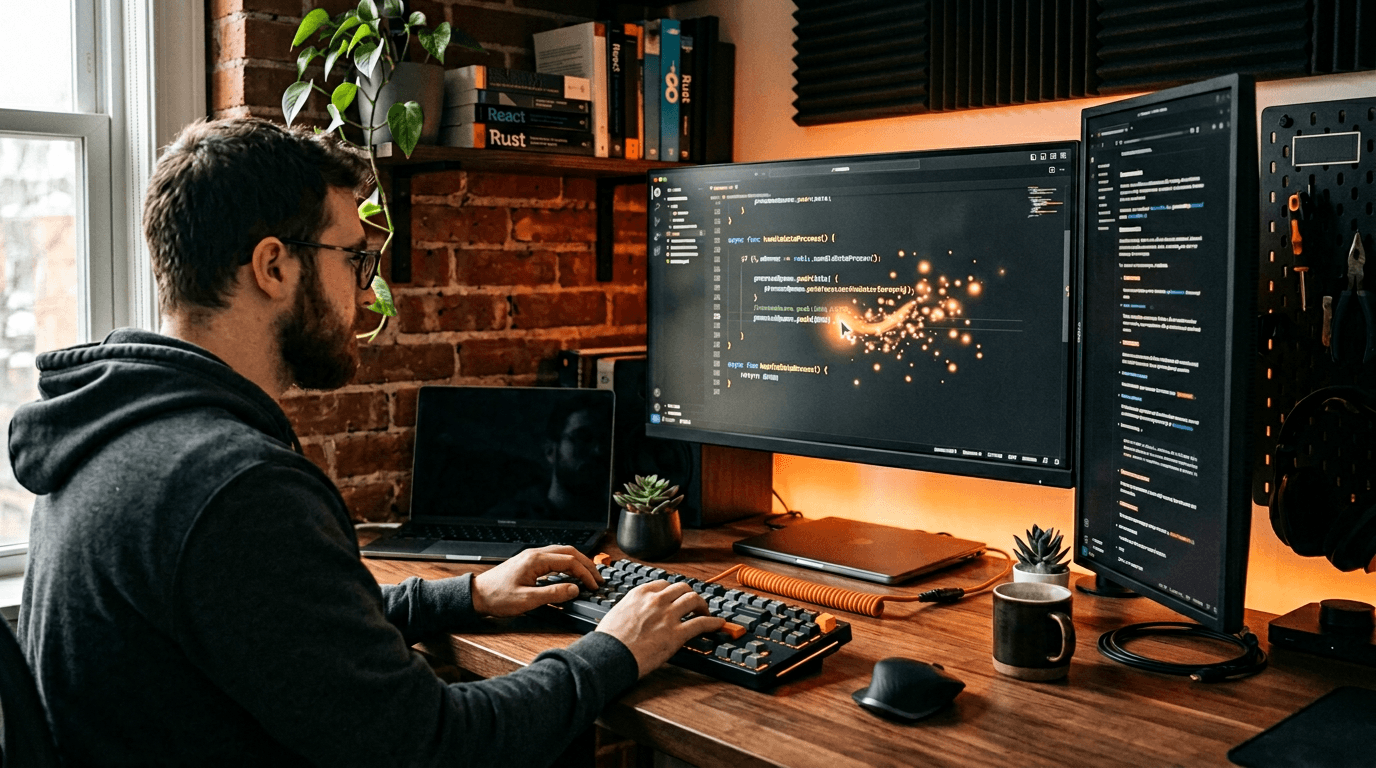
Vibe coding is the practice of using AI to write code from natural language. It works well for prototypes and boilerplate, but production teams need clear guardrails.
Vibe coding has gone mainstream. Developers describe what they want in plain language. AI writes the code. For quick prototypes, boilerplate and scaffolding, it can be a game changer. But teams shipping production software need to know where it helps and where it fails. Spoiler: it helps a lot, until it does not.
The appeal is obvious. You can spin up a feature faster than ever. A junior developer can produce working code that would have taken hours before. The risk is that the code looks right but behaves wrong under edge cases or hides security gaps that no one is reviewing. As one engineer put it: "The AI wrote it in 30 seconds. I spent an hour fixing what it got wrong." Sound familiar?
We have seen teams adopt vibe coding for internal tools and experiments. The key is to treat AI output as a first draft, not a final deliverable. Code review, testing and security checks still apply. The human in the loop is not optional. When we embedded a senior engineer with SRC Innovations for staff augmentation, the goal was full-stack delivery with modern frameworks. That meant knowing when to lean on AI tools and when to apply human judgment. The best teams use both.
For production systems, the best approach is to use vibe coding for the repetitive parts. Let AI handle the boilerplate, the wiring, the tests. Keep human judgment for critical paths, security-sensitive logic and integration points. Do not let the AI near your payment flow without a careful review.
Vibe coding is not going away. It will get better. The teams that adapt will be faster, as long as they keep the guardrails in place. The ones that treat it as magic will learn the hard way.